
ANGLE × FOOD TEXTILE
A more natural and gentle undergarment dyed with food ingredients is born.
Angle has been making underwear for 130 years.
Because it is loved by generations
We have created underwear that is gentle on the skin and the environment so that you can continue to move forward.
Product List
-
FOOD TEXITLE Soft Bra
Regular price ¥6,930 (税込)Regular priceUnit price per -
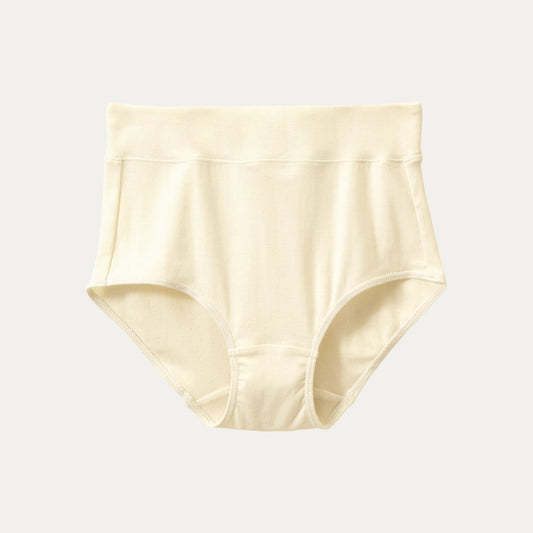
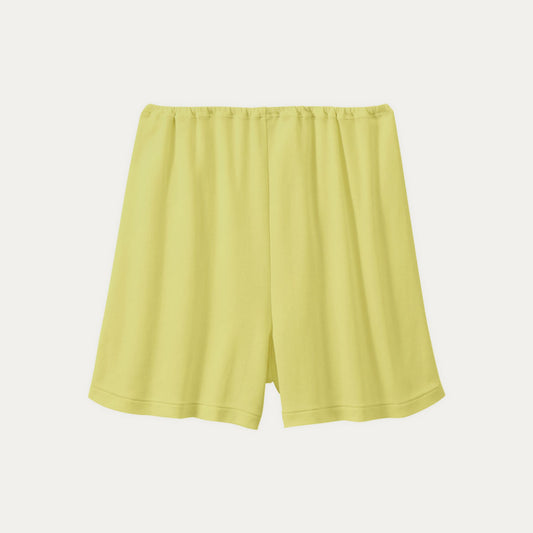
FOOD TEXITLE shorts
Regular price ¥3,850 (税込)Regular priceUnit price per -
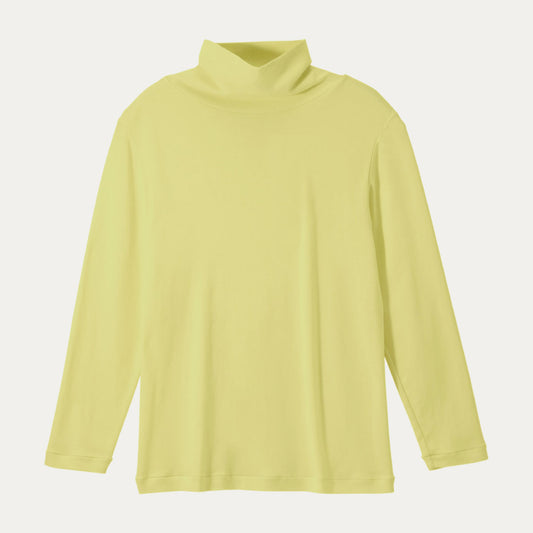
FOOD TEXITLE Turtleneck
Regular price ¥6,380 (税込)Regular priceUnit price per -
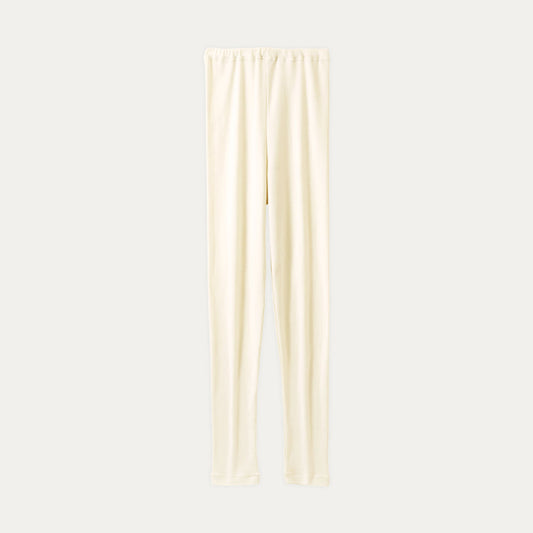
FOOD TEXITLE Leggings
Regular price ¥5,940 (税込)Regular priceUnit price per -
FOOD TEXITLE Sleeveless
Regular price ¥5,500 (税込)Regular priceUnit price per -
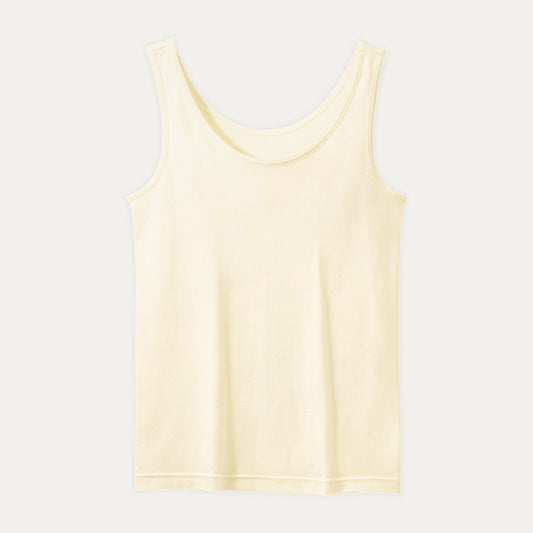
FOOD TEXITLE tank top
Regular price ¥5,280 (税込)Regular priceUnit price per -
FOOD TEXITLE pettipants
Regular price ¥4,950 (税込)Regular priceUnit price per -
FOOD TEXITLE 3/4 sleeves
Regular price ¥5,940 (税込)Regular priceUnit price per









FOOD TEXTILE
~Add color to ingredients~
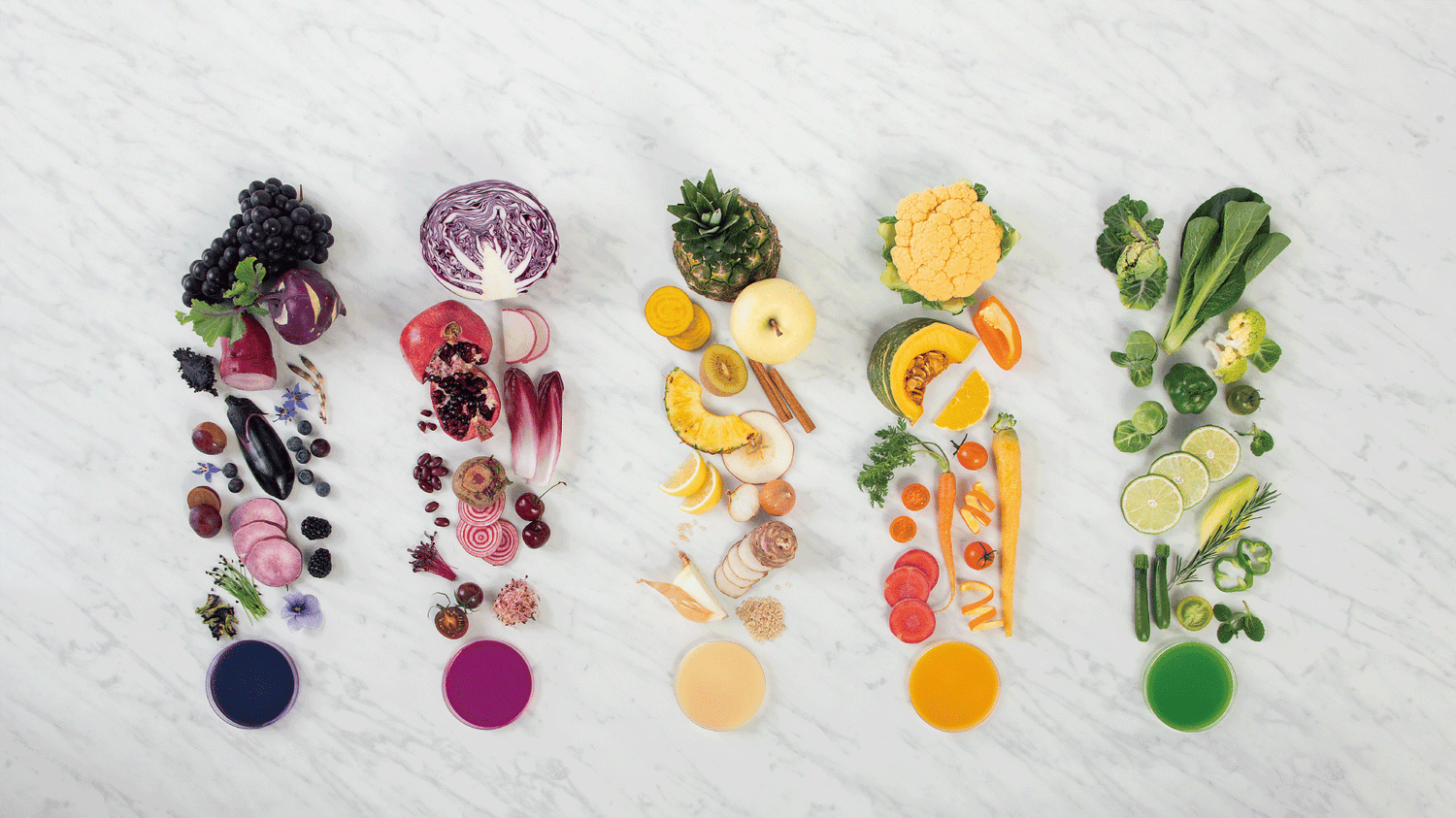
Finding new possibilities for underutilized ingredients. An upcycling project that reuses and dyes ingredients. Links that transcend the apparel industry will add color to our everyday lives in terms of clothing, food, and housing.

Dyes extracted from food ingredients
The dyes are extracted from plums in Gojo City, Nara Prefecture, and matcha green tea in Anjo City, Aichi Prefecture. The natural colors that can only be achieved through natural ingredients are what make them so appealing.
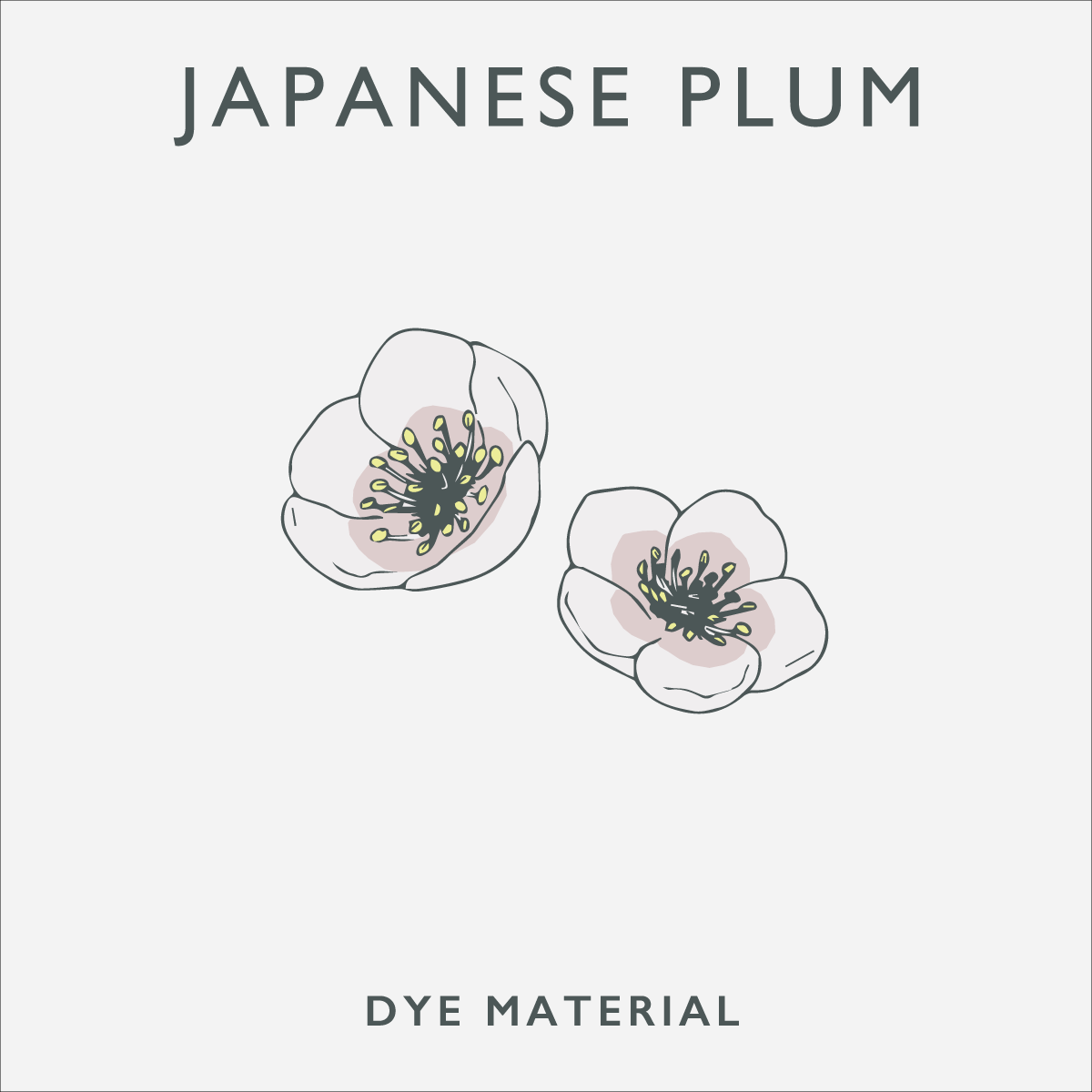
Ivory
Plum
Sweet and sour plums grown with love in a natural way. We collect non-standard plums that are damaged or deformed when harvested from the farm and cannot be sold, and use them to make dye.
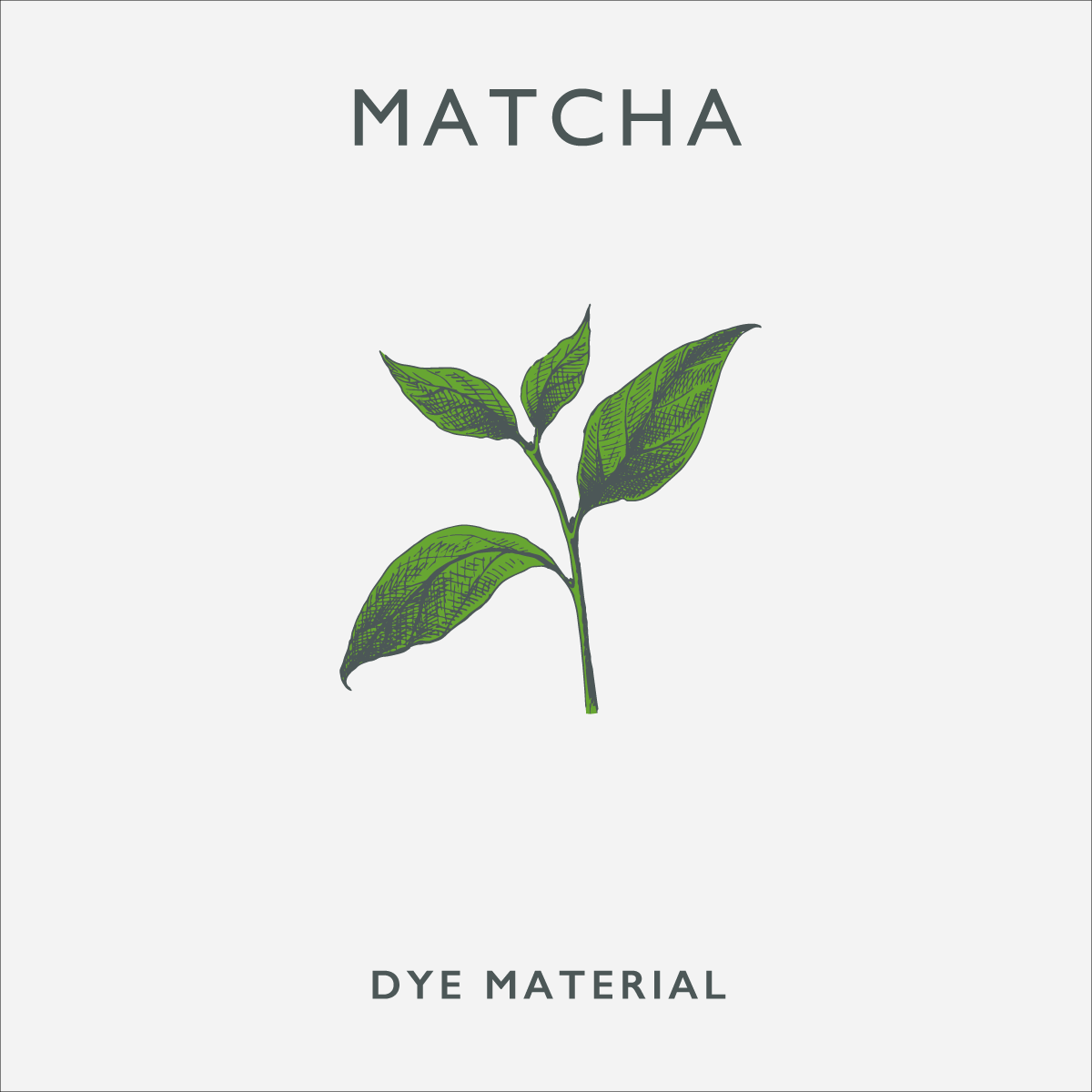
Yellow Green
Matcha
This matcha is made with great care in Aichi Prefecture. It reuses the irregular grains and sieves that are left over when tencha is processed into matcha.

Material Spinning Knitting Sewing
Attention to detail from materials to sewing
We pursue gentle comfort not only in the dyeing process but in every step of the process.
■Material
Founded 130 years ago, Angle's philosophy is to put "materials first." We use extra-long staple cotton, a rare variety of cotton with the longest fiber length. The longer the fiber, the finer, softer, and more luxurious it feels against the skin. Because underwear comes into direct contact with the skin, we are particularly particular about the materials we use.
■Spinning
The yarn is softly twisted to make the most of the quality of the material. By using softly twisted yarn with fewer twists, the yarn becomes soft and fluffy, making it gentler against the skin.
■ Knitting
To reduce irritation to the skin, the fabric is knitted in Wakayama Prefecture, a knitwear production area, using a method called "circular knitting," in which the fabric is knitted into a tubular shape.
■Sewing
Each item is carefully sewn in Kitaakita City, Akita Prefecture. Different sewing machines are used depending on the item and the parts used, ensuring high-quality products without compromising the quality of the materials or fabrics.